Velo di Maja
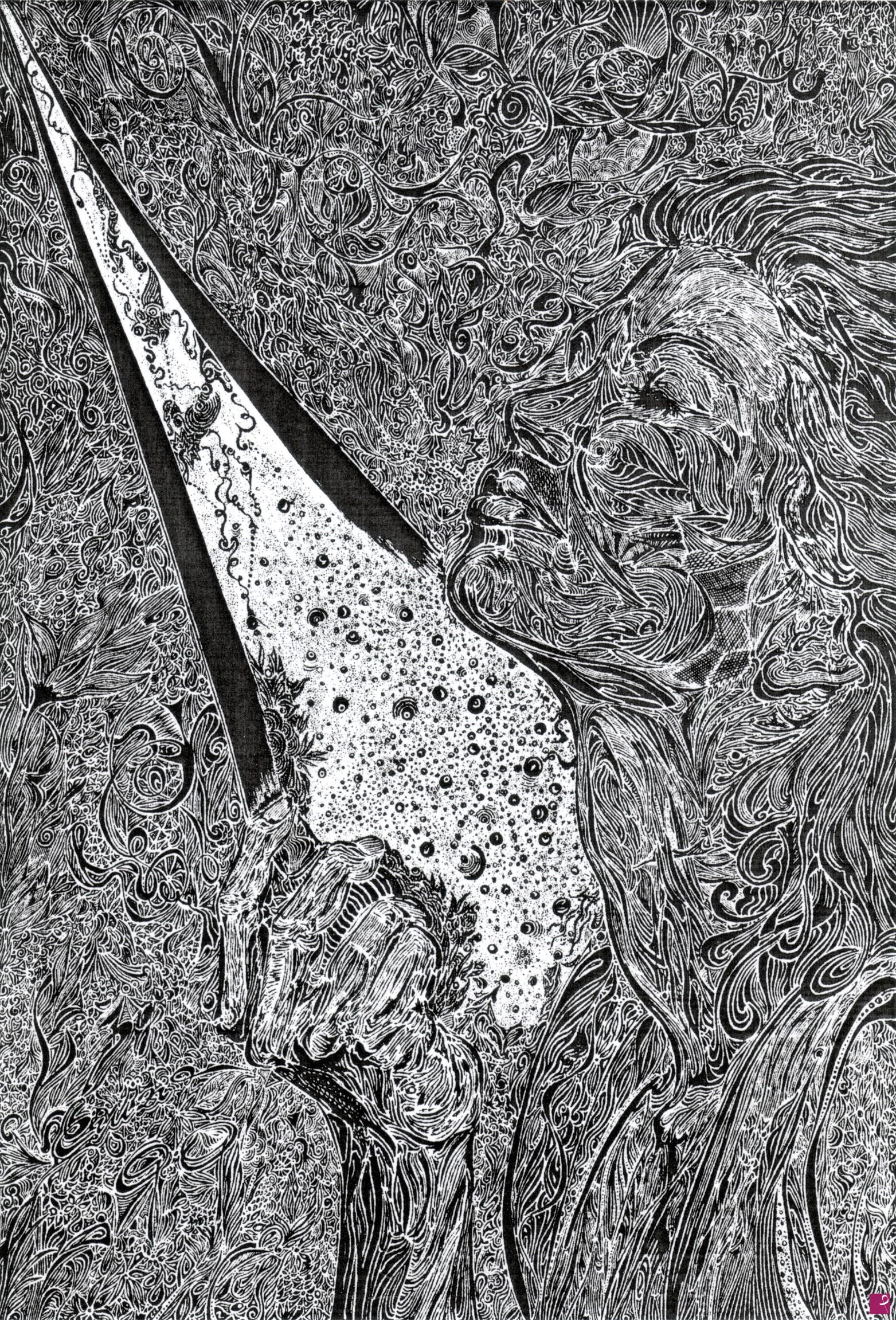
Description
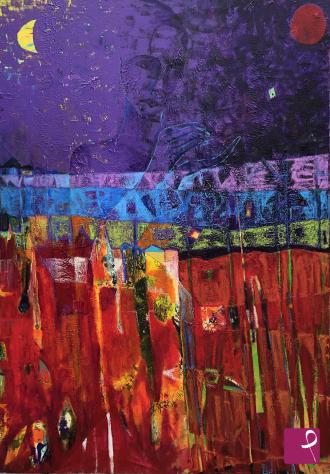
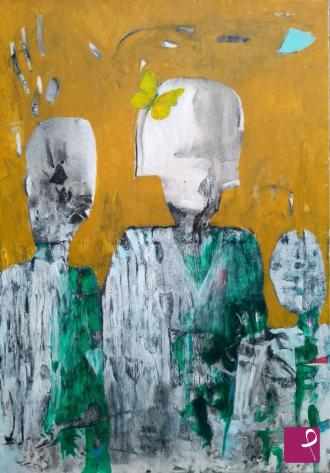
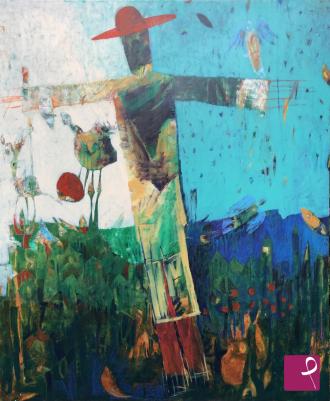
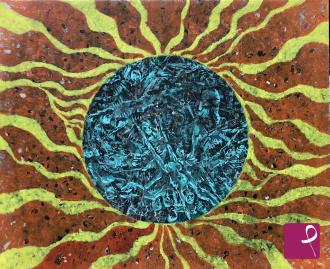
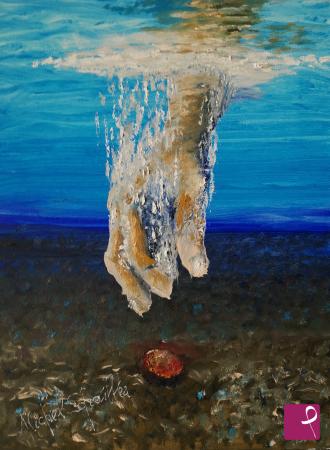
Sensuality in a gesture... the essence that shines through in the light of life.
The veil of Maya is the core of Schopenhauer's philosophy.
According to his philosophy, the world is not as it appears; man does not perceive reality in an authentic way, "as will and representation", but man sees the world through the filter of his own desires and perceptions, without grasping its true essence. The world can be represented in two forms.
This means that, for him, man sees the world through the filter of his own desires and perceptions, without grasping its true essence. In his philosophy, Schopenhauer explains this concept, stating that the world can be represented in two forms. The first form is the intellectual, scientific one, while the second is the form of will. The world in the scientific form derives from sensitive knowledge, expressing itself through the categories of space, time and causality. This knowledge is of a phenomenal type, which means that it comes from sensitive experience. Schopenhauer argues that this knowledge is not objective: knowing the world through the senses does not mean understanding it in its true essence.
The "true" world hides from the eyes of man, being located behind a veil. This veil is what Schopenhauer calls the "veil of Maya". He states that life is a dream and that reality is hidden precisely under this veil.
The term "veil of Maya" comes from Eastern culture, in particular from Hinduism. Schopenhauer's use of it is very different from the original meaning. The veil of Maya represents what hides the reality of things, it is necessary to tear away this veil; only in this way can man know the authentic world.
The veil can be removed through the three ways of redemption from pain: art, piety and asceticism, man's life is similar to a pendulum that oscillates between boredom and pain.

ask for information on this painting
Attenzione ! Tutte le comunicazioni con gli artisti sono gestite dalla redazione di PitturiAmo.
By the same artist

similar paintings 8